The rapid adoption of AI-powered search platforms is changing how technology buyers discover information. While Google remains the dominant channel for digital marketing, the emergence of ChatGPT Ads has introduced a new opportunity and a new challenge for B2B marketers.
According to recent industry reports, more than 100,000 advertisers have already experimented with ChatGPT Ads and OpenAI reportedly reached a $1 billion annualized advertising revenue run rate within months of launch. Such growth naturally raises an important question for semiconductor companies and technology brands:
Are ChatGPT Ads delivering meaningful business outcomes or are they simply generating curiosity clicks?
The answer isn’t straightforward. For semiconductor organizations where buying cycles can stretch across months and involve multiple technical decision-makers, measuring success requires a different lens than traditional digital advertising.
What Early ChatGPT Advertising Results Tell Us
Initial advertiser feedback presents a mixed picture.
Some organizations report performance comparable to or even better than Google Ads. Others have found that while ChatGPT Ads generate traffic and inquiries, many of those leads fail to convert into actual revenue.
This doesn’t necessarily mean the platform is ineffective. Rather, it highlights a fundamental truth about AI-driven advertising:
Clicks are no longer the best indicator of success.
For semiconductor companies selling ASICs, FPGAs, IP solutions, advanced packaging technologies, EDA tools, optical networking products, AI accelerators or data center infrastructure, the ultimate goal is not website traffic but qualified opportunities, design wins and revenue.
A campaign that produces fewer clicks but influences a strategic buying decision may be more valuable than one generating thousands of website visits.
Why Semiconductor Marketing Requires a Different Measurement Framework
Unlike consumer advertising, semiconductor purchases rarely happen immediately.
Consider a Director of Hardware Engineering evaluating next-generation connectivity solutions. Their buying journey often includes:
- Researching technology options
- Comparing architectures
- Evaluating technical specifications
- Building internal business cases
- Conducting product testing
- Reviewing total cost of ownership
- Securing executive approval
This process can take several months.
A prospect may first encounter a company through a ChatGPT Ad, continue research through Google Search, attend a webinar weeks later and only then engage with sales.
If marketing teams measure ChatGPT Ads solely through immediate lead submissions, they may underestimate their actual influence.
The Rise of AI-Assisted Buyer Research
One of the most significant shifts happening today is not advertising itself but buyer behavior.
Engineering leaders, architects and procurement teams increasingly use generative AI tools to:
- Compare technology vendors
- Understand product categories
- Evaluate alternatives
- Research implementation approaches
- Build shortlists for vendor selection
This creates a new layer within the traditional customer journey.
Before buyers visit a company website, they may already have interacted with AI-generated recommendations and summaries.
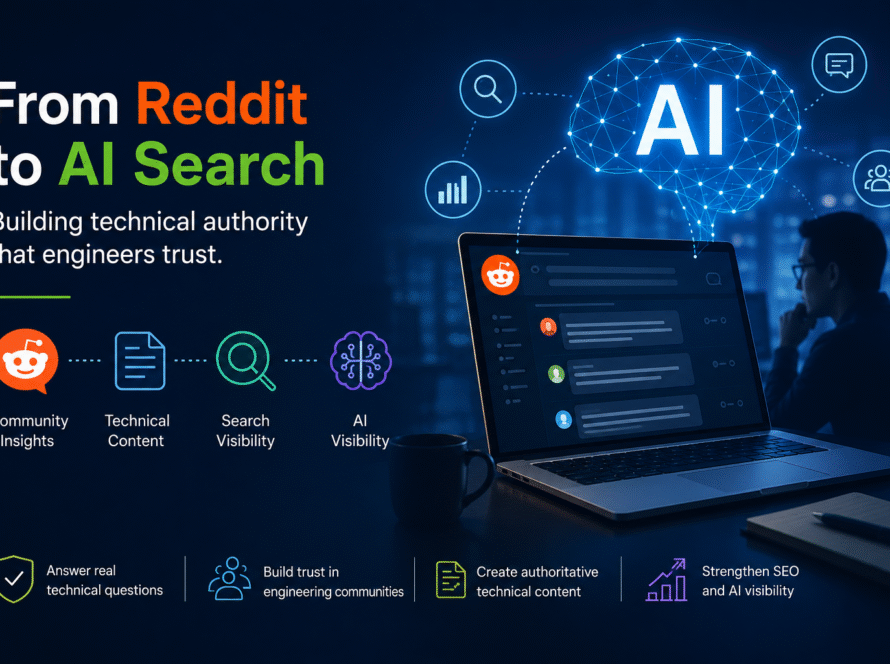
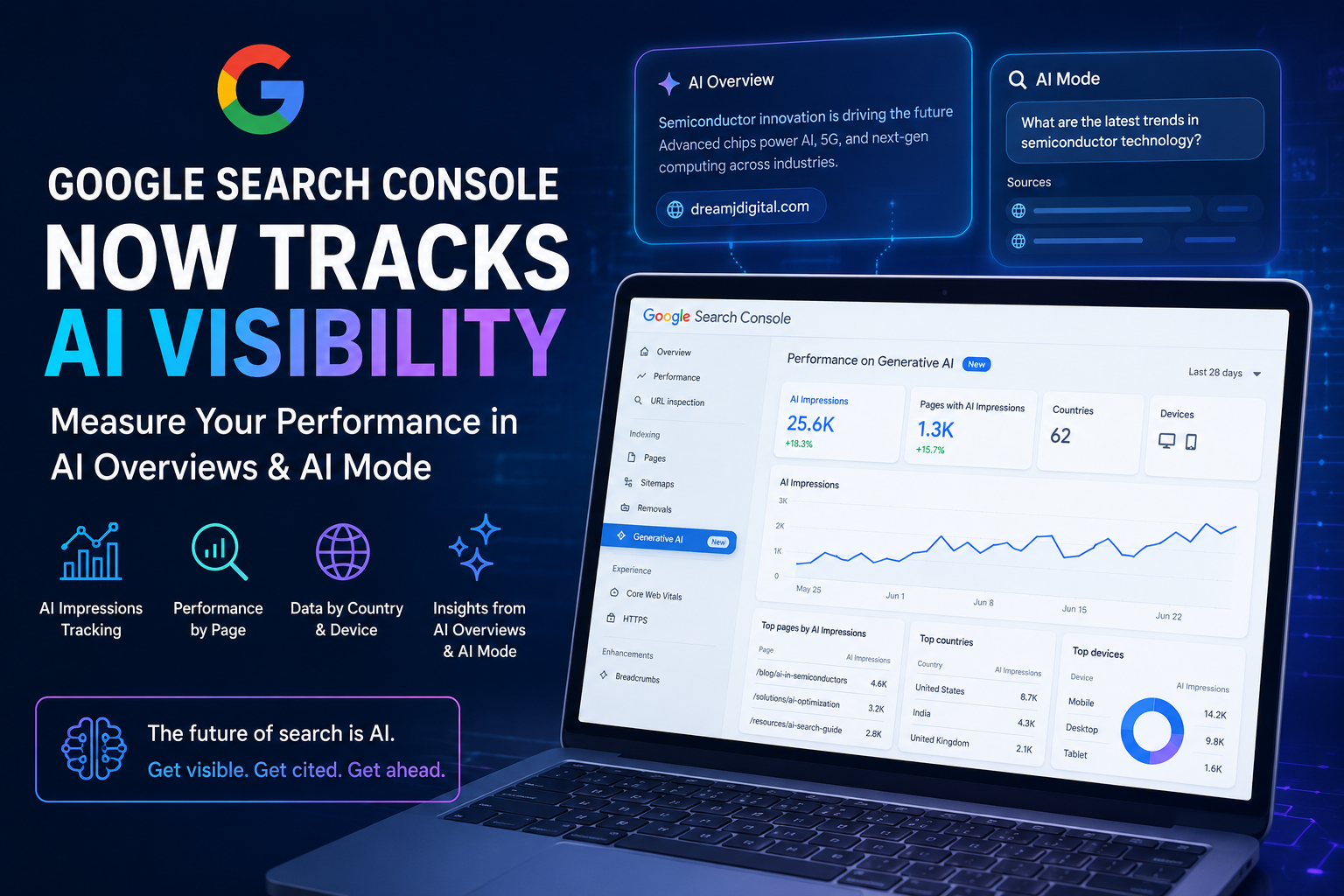
As a result, semiconductor brands must optimize not only for search engines but also for AI-driven discovery platforms.
This is where AEO and GEO become critical.
Why AEO and GEO Matter More Than Ever
What is AEO?
Answer Engine Optimization focuses on helping AI systems and search engines provide direct answers to user questions.
Examples include:
- What is the best PCIe Gen 6 retimer?
- How do AI accelerators improve data center efficiency?
- What is the difference between silicon photonics and traditional optical interconnects?
Organizations that structure content around clear answers are more likely to appear in AI-generated responses.
What is GEO?
Generative Engine Optimization focuses on improving visibility within AI platforms such as ChatGPT, Microsoft Copilot, Gemini and Perplexity.
GEO emphasizes:
- Expert-driven content
- Strong topical authority
- Technical accuracy
- Comprehensive explanations
- Trustworthy citations
For semiconductor companies, GEO may eventually have a larger long-term impact than paid advertising alone.
Should Semiconductor Companies Invest in ChatGPT Ads Today?
The short answer is yes, but strategically.
Rather than shifting significant budget away from Google Ads, organizations should treat ChatGPT Ads as an emerging channel for experimentation.
An effective approach might include:
Phase 1: Controlled Testing
Allocate a small percentage of the digital marketing budget to pilot campaigns.
Focus on:
- Thought leadership assets
- Industry reports
- Technical whitepapers
- Product comparison guides
- Webinar registrations
These assets align with the research-oriented nature of ChatGPT users.
Phase 2: Enhanced Attribution
Implement tracking systems that connect early interactions to later opportunities.
Marketing teams should monitor:
- Marketing Qualified Leads (MQLs)
- Sales Accepted Leads (SALs)
- Pipeline influence
- Opportunity creation
- Closed revenue
This provides a much clearer picture than evaluating click-through rates alone.
Phase 3: AI Visibility Optimization
Improve organic visibility within generative AI platforms by publishing content that answers strategic industry questions.
Examples include:
- AI infrastructure trends
- CXL adoption strategies
- High-speed SerDes innovations
- Chiplet architectures
- Optical networking developments
- Data center scalability challenges
Organizations that consistently publish authoritative content in these areas are more likely to appear in AI-generated recommendations.
The Bigger Opportunity: Becoming an AI-Referenced Brand
Perhaps the most important lesson from the rise of ChatGPT Ads is that visibility within AI systems is becoming a competitive advantage.
Future buyers may not begin vendor discovery with a search engine. Instead, they may start by asking:
“Which companies provide leading 224G SerDes solutions?”
“Who are the major innovators in silicon photonics?”
“What are the top AI networking providers for hyperscale data centers?”
The brands that appear repeatedly in these AI-generated responses will gain awareness long before a formal buying process begins.
For semiconductor organizations, this means marketing strategies must evolve beyond keyword rankings and advertising metrics.
The goal is no longer just to rank on page one of Google.
The goal is to become a trusted source that AI systems repeatedly reference, recommend, and surface during critical buying-stage conversations.
Final Thoughts
ChatGPT Ads remain in their early stages, and the available performance data shows mixed results. However, dismissing the channel based solely on early ROI comparisons with Google Ads would be shortsighted.
For semiconductor companies, the greater opportunity lies in understanding how AI is reshaping the research and decision-making process itself.
The winning strategy combines careful experimentation with ChatGPT Ads, robust attribution modeling, and a strong investment in AEO and GEO-focused content. Companies that establish authority today will be better positioned as AI-driven discovery becomes a core part of the B2B technology buying journey.
As AI search continues to mature, the question won’t simply be whether your organization is advertising within ChatGPT.
The more important question will be:
Is your brand visible whenever AI helps buyers make purchasing decisions?